
Hybrid Working’s Creativity Conundrum
This week, we explore the latest in Hybrid Workspace thought leadership, from chartered occupational psychologist, Dr Gwenllian Williams. With over 20 years’ experience in business consulting and a PhD in


This week, we explore the latest in Hybrid Workspace thought leadership, from chartered occupational psychologist, Dr Gwenllian Williams. With over 20 years’ experience in business consulting and a PhD in

This week, we explore the latest in Hybrid Workspace thought leadership, from chartered occupational psychologist, Dr Gwenllian Williams. With over 20 years’ experience in business consulting and a PHD in
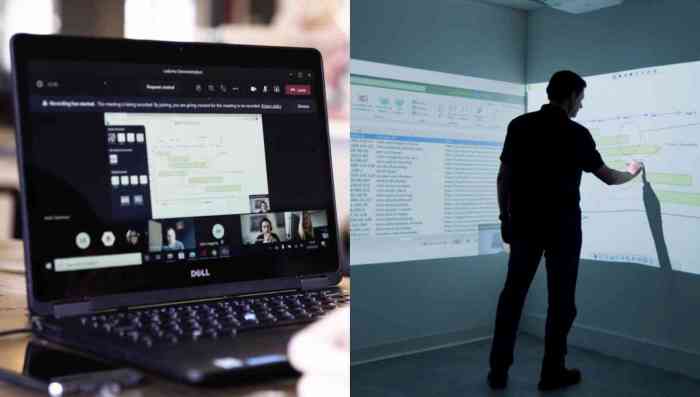
You might have heard the term hybrid working thrown around a lot in the past year. And while Google searches for a concrete definition of ‘hybrid’ may instead yield a

Expected by workers and championed by global brands, flexible working has become the new normal. According to Owl Labs 1 in 2 people don’t want to return to jobs if
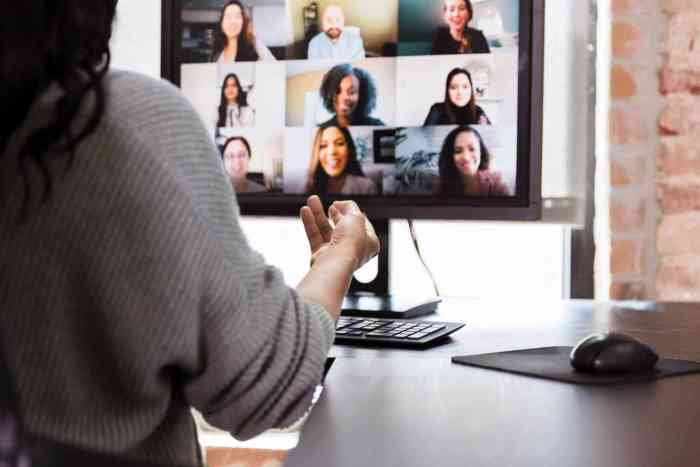
Hybrid working is fast becoming the norm and workers are increasingly enjoying the autonomy of choosing when and where they work – combining a mix of in-office and WFH. With
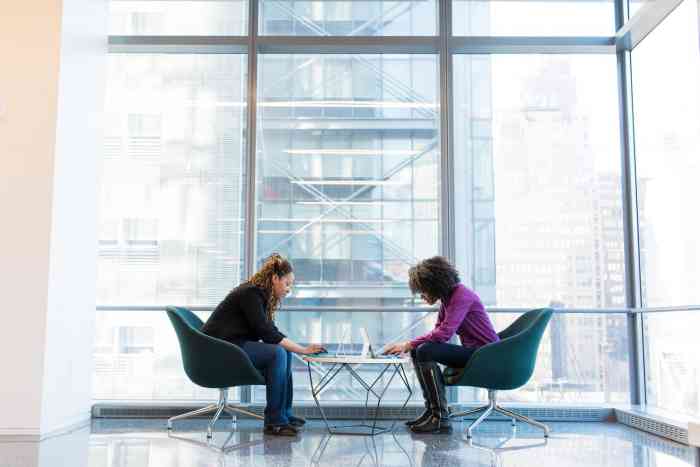
In the past, conventional wisdom held that offices were critical to productivity, culture, and winning the war for talent. Companies competed fiercely for prime office space in built-up urban areas,

Although not a new concept, adoption of the hybrid work model has accelerated dramatically in the past year in response to the COVID-19 pandemic. Combining remote, semi-remote and exclusively office-based

Hybrid working – offering a mixture of both in office and remote work – has become a popular workspace modelin the past 12 months, with adoption accelerated dramatically. Driven by
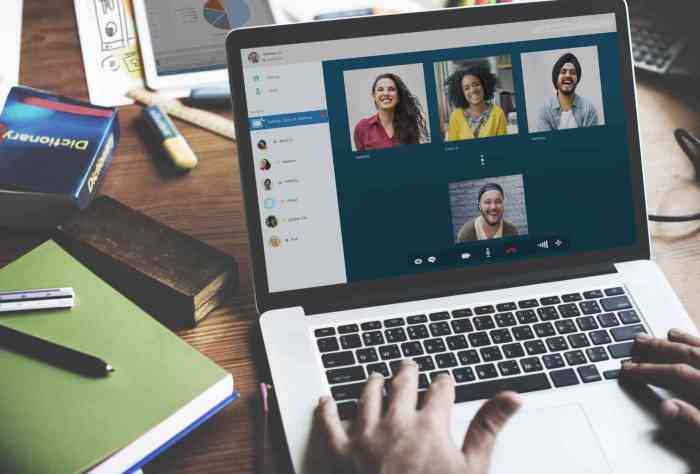
2020 will be remembered for many negative reasons, but it has undoubtably acted as a catalyst for the advancement of technology. Whilst the physical world has temporarily all but ground

The pandemic has had a lasting effect on mental health, causing largescale health paranoia. Four in ten adults in the U.S. have reported symptoms of anxiety or depressive disorder, up
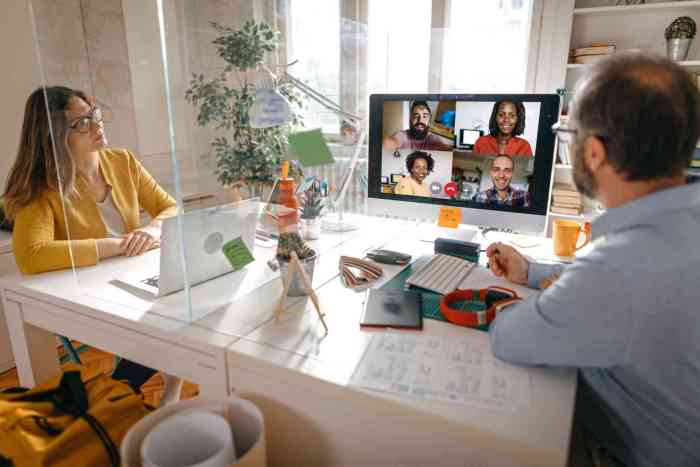
In a survey of over 2,000 members of the TrustRadius community, 15% planned to increase their software spending because of COVID-19. 60% of those businesses planned to purchase collaboration software. Unfortunately,

Contrary to initial expectations, studies have consistently shown flexible workers to be more productive. In research from McKinsey in June 2020, Forty-one percent said that they were more productive than

Prior to 2020, the concept of flexible working was well established, offered in some form by many organisations. However, the idea of a majority of employees working from home was

The seismic impact that the pandemic has had upon ways of working is a permanent one. Research from Microsoft has found that 63% of workers feel no pressure to return

In the past year, Hybrid working has become a popular workspace model, empowering workers with the autonomy and flexibility to work their way, wherever they are. Employers have also benefited,